Bedding guide
How to Choose a Generously Sized Blanket for Beds and Sofas
A blanket that looks generous on a product page may feel quite different when spread across a sofa or pulled over your shoulders. The right choice depends on dimensions, drape, warmth, and how you expect to use it. Measure first, then consider fiber and weave to find a throw that brings useful coverage as well as comfort.
Start with the way you will use it
A throw is one of the most adaptable layers in a home. Folded across the foot of a bed, it can add color and a little extra warmth. Draped over a sofa, it softens a room and stays close at hand for cool evenings. Spread over a lap, it offers a small pocket of comfort without the weight or formality of a full blanket.
Those different jobs call for different proportions. A throw sized for one person’s shoulders may not cover two people on a couch. A blanket that looks ample on a narrow chair may leave a wide sofa seat exposed. And a textile intended as a decorative bed accent may not reach far enough to cover someone from shoulder to toe.
Before comparing products, picture the moments when you will reach for the blanket. Will it be shared during a film? Used as a light cover while reading? Kept at the foot of a bed for chilly mornings? Or moved between the bedroom and living room? The answer helps determine whether you need a familiar throw size, a longer blanket, or a genuinely oversized option.
Think, too, about how much coverage means to you. Some people want fabric over their legs and feet, with a little extra to tuck around the sides. Others prefer a loose layer that can be wrapped around the shoulders. A generously sized blanket is not simply large for its own sake; it provides enough fabric for the way you sit, stretch, share, or sleep.
Measure the furniture—and the coverage you want
Product dimensions are a useful starting point, but the number alone cannot tell you how a throw will perform. A blanket measuring 50 by 70 inches has a different feel from one measuring 51.2 by 86.6 inches, even though their widths are close. The longer option can provide more room to cover legs or drape over the end of a bed, while the shorter piece may be easier to fold and keep neatly on a chair.
For a sofa, measure the width of the seat and the depth from the front edge to the back cushion. If you want the blanket to cover the seat and hang over the front, add the drop you want to the seat depth. For example, a blanket intended to lie across a 24-inch-deep seat and fall 12 inches over its front needs at least 36 inches of usable width in that direction. The actual fit will depend on how you fold and position it.
Next, check the sofa’s overall width. A smaller throw can work beautifully as a personal layer on one end of a couch; it is not necessarily meant to span the entire piece of furniture. If you want the blanket to lie across the full back or seat, compare its shorter dimension with that surface. For shared lounging, look at the longer dimension as well: extra length gives people more freedom to pull the fabric toward themselves without leaving someone else uncovered.
Beds require a different kind of comparison. Measure the mattress width and length, then decide whether the throw will sit across the foot, extend over the sides, or act as a light top layer. A standard throw often works as a folded accent rather than a bed-sized cover. If you want substantial coverage while lying down, assess the dimensions against your body and bed instead of assuming that a product called an “oversize throw” will cover the whole mattress.
A practical method is to mark out the blanket’s approximate dimensions with a tape measure or folded sheet on the furniture. This simple exercise makes scale easier to judge. On a bed, lay out the intended footprint near the foot or across the middle. On a sofa, test whether the fabric would cover the seat, reach your legs, or provide enough width for two people. Allow for the fact that a loose drape consumes some of the textile’s surface area.
When a product description provides dimensions, treat them as a guide rather than a promise of an exact, taut rectangle. Woven and textured pieces can relax, gather, or fall in soft folds. Some constructions, particularly pliable weaves, may change shape as they are handled or laundered. If precise coverage is important, choose a little more length and width than your minimum estimate.
Understand what “oversized” means in practice
There is no single universal size that makes every throw oversized. The word is relative to the dimensions of the furniture, the user, and the way the textile is meant to be used. A long throw may feel generous on a compact chair but modest across a deep sectional. A broad blanket can cover a lap well while still falling short of a bed’s full length.
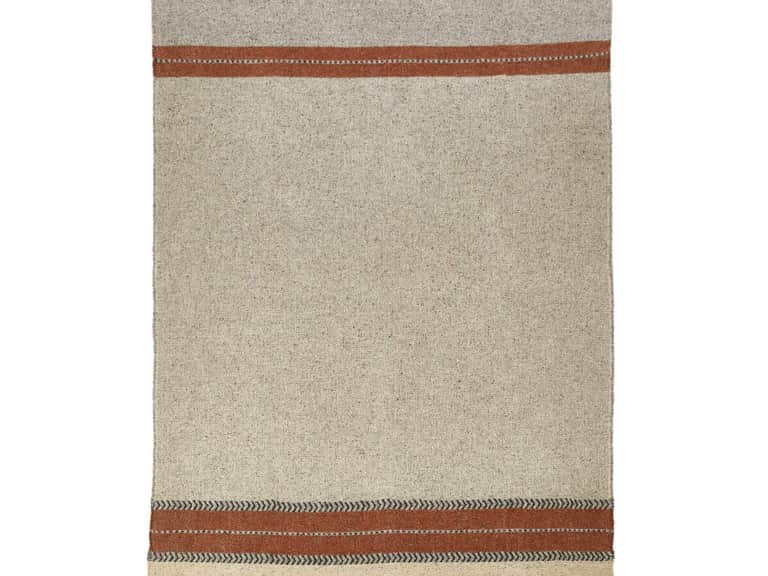
That is why the best comparison is not between labels but between measurements. A throw around 50 by 70 inches is a versatile scale for individual lounging and decorative layering. A longer format, such as the Montana Throw listed at 51.2 by 86.6 inches, offers extra length for a taller person, a longer sofa, or a more substantial drape at the foot of a bed. Explore the Montana Throw as an example of a notably elongated format, and confirm the current product specifications before deciding how it will fit your space.
More fabric brings flexibility, but it also brings practical considerations. A very large throw may trail onto the floor, bunch between cushions, or become awkward to fold. It may need more storage space and could be harder to wash at home, depending on its material and care instructions. In a busy room, a slightly smaller blanket that is easy to move and maintain may get more everyday use than an exceptionally large piece.
Consider who will use the blanket. For a single person who likes to curl up, added length can matter more than width. For two people sharing a sofa, extra width may be the more valuable dimension. For a bedroom accent, the visual effect of the fold may matter more than full-body coverage. The right generously sized blanket is the one whose proportions match its primary task.
Choose a material for comfort and routine
Fiber influences the way a blanket feels against the skin, how much warmth it holds, how it moves, and what care it requires. Cotton and organic cotton throws are often appealing for their breathable, familiar feel. They can be useful for year-round layering, especially when you want a light cover that does not feel overly insulating. Their performance still varies with yarn, weave, thickness, and finishing, so fiber content is only one part of the decision.
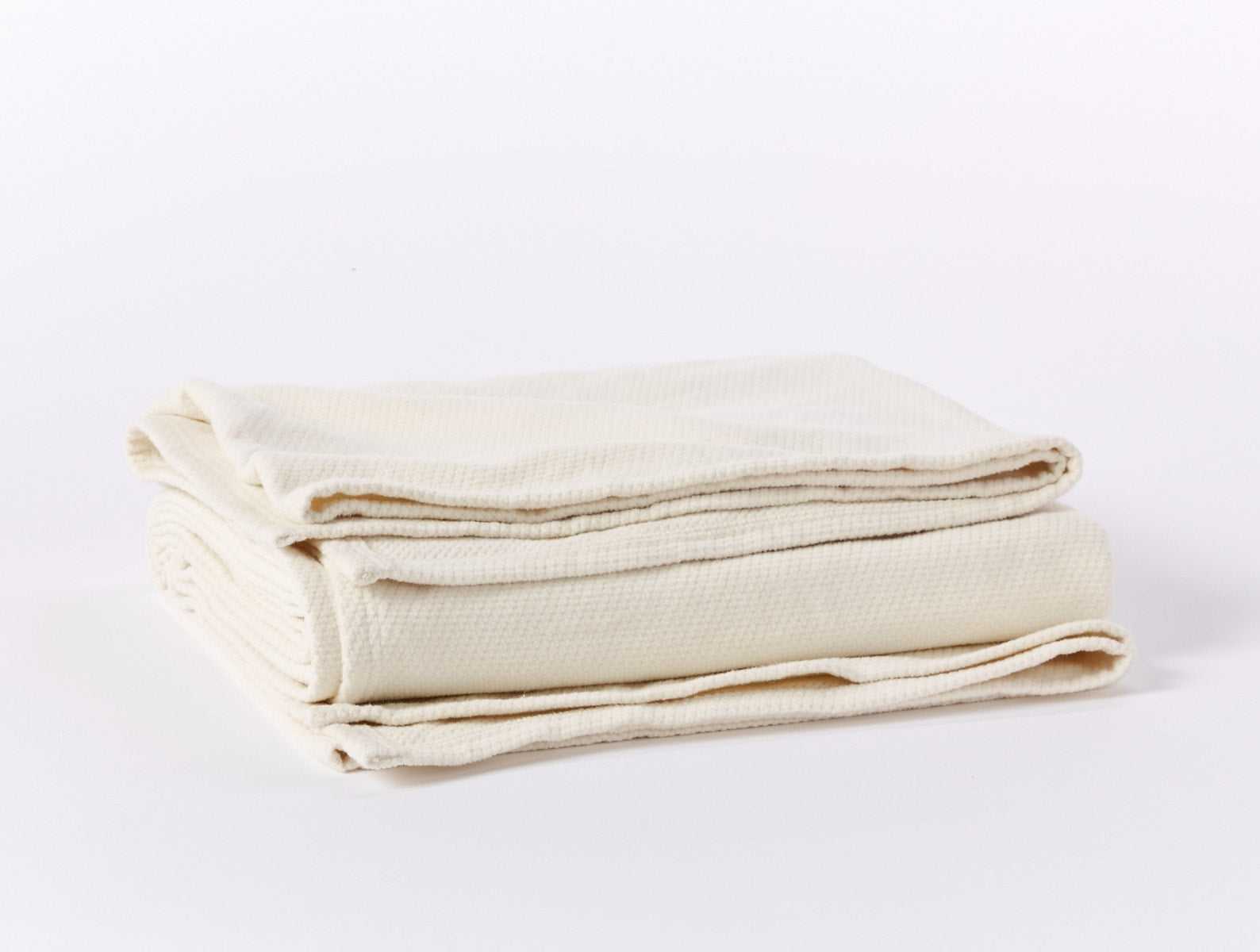
Organic cotton options can combine natural-fiber comfort with practical construction. The Sequoia Washable Organic Cotton and Wool Throw, for example, blends 70 percent organic cotton with 30 percent organic wool. It is brushed for a soft hand and has a double-needle stitched edge. Its listed dimensions are 47 by 60 inches, making it a useful example of a compact, easy-to-layer throw rather than a particularly oversized one. Its machine-washable care may also suit households that want a textile they can refresh at home, provided they follow the stated instructions.
Wool can bring a naturally warm, substantial feel, which may be welcome in a cool room or during colder seasons. A wool-rich throw can also have a distinctive drape: it may settle across furniture with more visual weight than a featherlight cotton weave. Blended fabrics combine fibers with different characteristics. In the Montana Throw, wool, linen, viscose, and polyamide form a washed textile with herringbone and plain-weave areas and a flax-colored fringe. The blend and surface structure make it a textured decorative layer as well as a source of warmth.
Do not assume that a heavier blanket is automatically warmer in every setting, or that a lightweight one cannot provide comfort. Fabric density, air trapped within the weave, room temperature, and how closely the textile covers the body all play a role. For a sofa used through changing seasons, a breathable layer may be more useful than a blanket designed only for deep winter. If you are choosing primarily for cold nights, look for a construction and fiber blend that feel comfortably warm without becoming cumbersome.
Texture matters, too. Brushed surfaces can feel plush and soft; a matelassé weave creates raised pattern and visual depth without relying on a printed design. Knits tend to flex and drape differently from firm woven cloth. Fringe, blanket stitching, turned hems, and ribbed edges contribute to appearance and may affect how the textile settles over furniture. These details can make a simple layer feel considered, but they should not distract from fit and care.
Think about drape, weight, and room proportions
Drape is the way a blanket falls over a surface. A supple textile forms soft folds and follows the shape of cushions; a denser blanket may create a more defined edge and sit with greater visual presence. Neither quality is inherently better. The choice depends on whether you want a relaxed, flowing layer or a tidy accent that holds its shape.
On a sofa, a very fluid throw may slide or gather where people sit. A more substantial weave can remain visibly draped over an arm or seat, although it may feel heavier to pull around the body. On a bed, flexible fabric can be folded into a narrow band at the foot, while a thicker blanket may create a more pronounced, structured layer. When possible, read the construction details as well as the fiber composition; they offer clues about how the textile may hang.
Scale affects the room as much as it affects comfort. A long, generously draped throw can make a narrow sofa feel more relaxed, while a broad blanket folded across the foot of a bed can create a strong horizontal line. Patterns and colors influence that impression. Plaids and stripes can draw the eye across a surface; a solid shade or subtle weave can provide texture without becoming a focal point. Choose a palette that relates to the room’s existing upholstery and bedding, while allowing the throw to add contrast if that is the effect you want.
Fringe can soften an edge and add movement, but it may require extra attention during washing or storage. A clean hem or stitched border can offer a quieter finish. If the blanket will be handled frequently, consider whether the edges appear durable and whether the care instructions suit your household routine.
Make care part of the comparison
A blanket that feels wonderful but is difficult to maintain may spend more time folded away than in use. Before choosing, check whether the care label calls for a gentle machine wash, hand washing, line drying, or professional cleaning. Follow the product’s specific instructions rather than relying on general rules for a fiber: finishes, blends, and construction can change how a textile should be treated.
Machine-washable throws can be convenient for everyday living, especially in homes where blankets are used often. Confirm that your washer has enough capacity for the item; a generously sized, dense blanket may not move freely in a small drum. Avoid overloading the machine, use the recommended cycle, and dry the textile as directed. Taking it promptly from the dryer, where permitted, can help limit creasing and preserve its finish.
For dry-clean-only pieces, consider the time and cost of professional care before making a selection. Natural-fiber blends may need careful handling to maintain their texture and dimensions. If the throw is likely to serve as a daily sofa blanket, a more manageable care routine may be as important as its softness or appearance.
Storage is another part of ownership. A long blanket needs room to fold without pressing delicate fringe or creating an unwieldy bundle. Keep it clean and fully dry before storing, and avoid placing heavy objects on top for long periods. A throw left within easy reach is more likely to become part of everyday life.
A simple checklist before you decide
When comparing oversized throw blankets, pause over a few practical questions. They can turn a broad search into a clear decision:
- Where will it live? A bed, sofa, chair, or a combination of spaces each calls for different proportions.
- Who will use it? One person may need extra length; two people sharing may benefit more from additional width.
- What surface must it cover? Measure the seat, mattress, or area you want to drape, and include the overhang you prefer.
- How warm should it feel? Consider season, room temperature, fiber, weave, and fabric weight together.
- How should it hang? Decide whether you prefer a light, flowing fall or a more substantial, structured drape.
- Can you care for it easily? Check the washing and drying instructions, including any professional-cleaning requirement.
- Will its style work with the room? Color, pattern, fringe, and texture affect how the blanket looks when it is not in use.
Use the measurements to eliminate options that cannot provide the coverage you want, then compare material, weave, and care among the remaining choices. This order keeps a beautiful pattern or appealing fiber from distracting you from a basic mismatch in scale.
The best generous size is the one you will reach for
Choosing a generously sized blanket is an exercise in proportion. Measure the furniture, estimate the drape, and decide how much room you need to stretch or share. Then look beyond the dimensions to the character of the fabric: cotton for a breathable layer, wool for added warmth and substance, blended fibers for a particular balance of feel and performance, or a textured weave for depth.
A longer throw may make a useful companion on a deep sofa or at the foot of a bed; a smaller, easy-care layer may suit a favorite chair and daily routines. There is no advantage in choosing the largest option if it drags on the floor, is difficult to wash, or rarely leaves the cupboard. When size, texture, and care align with the way you live, the blanket becomes more than an accent. It becomes a practical layer, ready for the quiet pause at the end of the day.